Eksfin finansierer norsk eksport og internasjonal vekst
Våre bransjer
Se hva vi gjør innenfor de ulike bransjene



ARBEIDSKAPITAL FOR SMB
Bedret likviditet og fleksibilitet for små og mellomstore eksportbedrifter
Eksfin avlaster bankens kredittrisiko slik at banken kan låne ut mer.
Lær fra andre
Noen av våre kundeprosjekter





Våre arrangementer
Seminarer og webinarer


Nyheter
Hold deg oppdatert


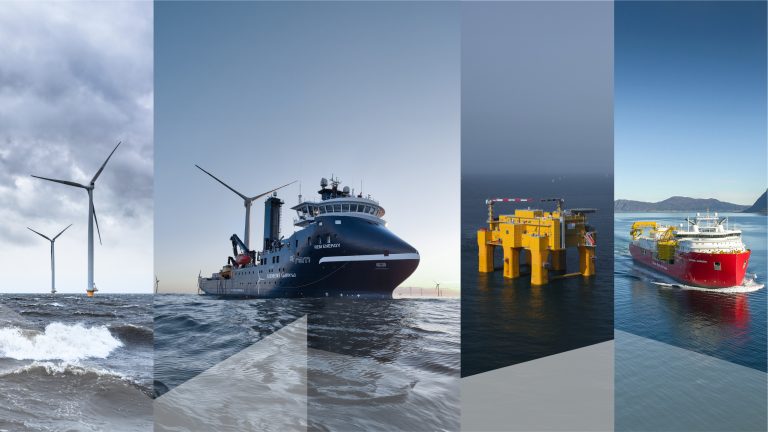


Entry Program for Offshore Wind
Lurer du på hvordan din bedrift kan lykkes i havvindmarkedet?
Entry programmet er et modulbasert opplæringsprogram som er spesialutviklet for å hjelpe norske selskaper inn i havvindmarkedet.


Jobber du i bank?
Med våre garantier øker bankens utlånskapasitet og behovet for kapitaldekning går ned. Et samarbeid mellom bank og Eksfin gir muligheten til å nå flere bedrifter.
Våre produkter
Les mer om våre finansieringsløsninger




Inspirasjon
Referanseprosjekter

Stiller med lån når Edda Wind bygger tre havvindskip med norsk utstyr
Kontakt oss
Vi hjelper deg med å realisere dine prosjekter
Har du kjøpere i utlandet kan Eksportfinansiering Norge bidra med å dra i land viktige kontrakter. Vi ivaretar hele prosessen knyttet til søknadsbehandling, tilsagn om lån og garantier, utbetaling samt oppfølging.